Kit PVP FFA Tier List
How we rank kits for free-for-all consistency, learning curve, and ceiling.
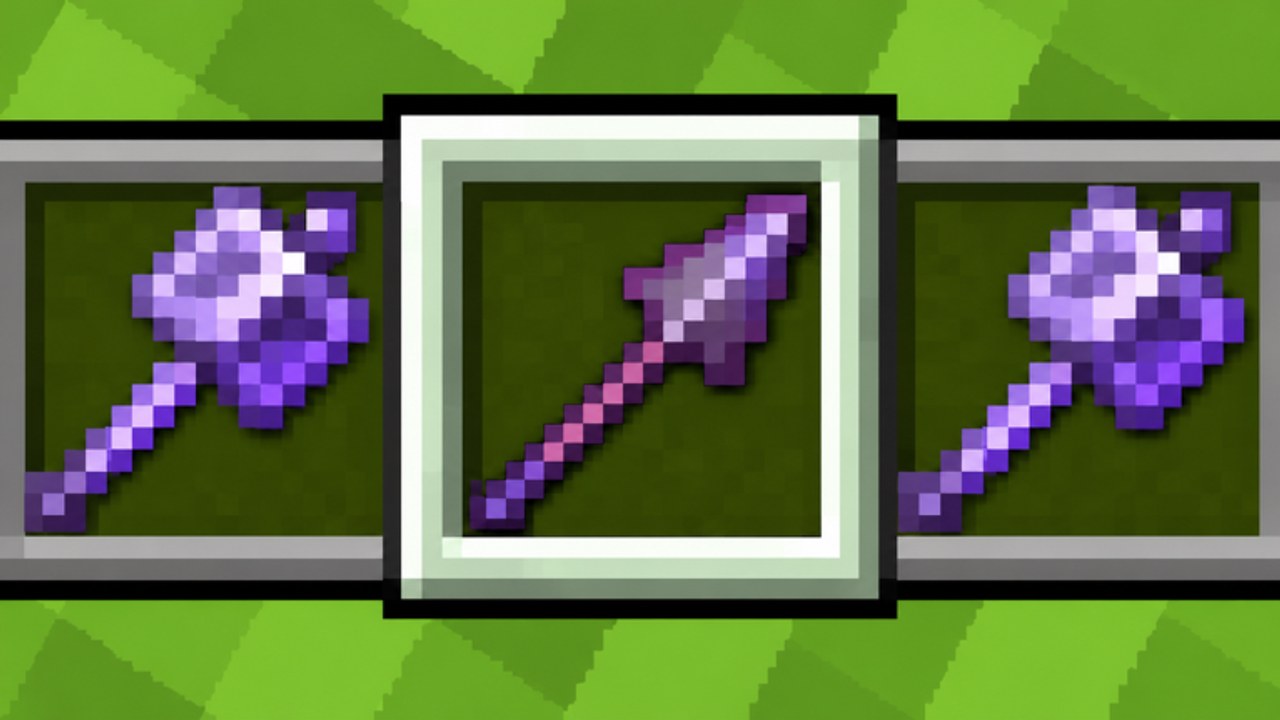
This hub explains how Kit PVP FFA kits are ranked and where to go for full lists. The roster has eight kits: Sword, Mace, Mace & Spear, Elytra & Rockets, TNT, End Crystals, Archer, and Orbital Strike. In a free-for-all with map resets every five minutes, the “best” kit is not only the one with the flashiest highlight. It is the kit that wins lives, converts third-party chances, and still works when the lobby is chaotic.
Open the full kit rankings for S through C placements with reasoning. Open beginner picks if you need a first kit and a clean unlock order. For execution details, jump back to the Guides Hub and kit lessons such as Combat Basics, Mace PvP, Crystal PvP, and Elytra & Rockets. Roster-style summaries live on the Players hub.
Ranking criteria for FFA
We rank with three lenses. A kit can score differently across them, which is why a high-ceiling explosive kit may sit below a boring consistent melee kit for many players.
1) Consistency in free-for-all
Consistency asks how often the kit produces positive lives against random pressure. Strong FFA kits:
- Win or escape short trades
- Still function when a third player arrives
- Do not depend on a perfect 1v1 island
- Recover after a missed tech without instant death
Sword and Archer often score well here because their failure states are readable. Crystal and elite flight can score lower on consistency even when their peak damage is higher, because one mistake is loud and public.
2) Beginner friendliness
Beginner friendliness asks how quickly a new player can land useful reps. Friendly kits teach cooldown, spacing, and shield timing without stacking five failure points. That is why Getting Started pushes Sword or Mace first, and why beginner picks highlights Sword, Mace, and Archer.
A kit can be strong and still unfriendly. End Crystals can dominate a corner and still be a poor teacher if every death is a confusing self-blast. Elytra can feel amazing and still hide bad cooldown habits behind mobility.
3) High-ceiling potential
High ceiling asks what the kit can do in skilled hands: smash angles, crystal control, rocket routes, spear anti-air, explosive zone denial. Ceiling matters for players chasing Top Kills, killstreaks, bounties, and Super Mode windows. It matters less for someone who still whiffs basic ready swings.
We do not rank only on ceiling. A kit that wins one in twenty perfect lives is entertainment, not a stable main for Prestige grinding toward level 200 and beyond.
How to read the tiers
- S tier: Excellent FFA value for most lobbies when played correctly; strong mix of consistency and impact.
- A tier: Highly viable mains or flex picks with clear strengths and manageable weaknesses.
- B tier: Situational or higher variance; strong in the right map state or matchup spread.
- C tier: Harder to justify as a default main for most players, or very dependent on specific conditions.
Tiers are guidance, not law. Device choice matters. Mobile players may value Sword higher than crystal. PC players with F5 comfort may raise Elytra. Controller players may prefer grounded kits until binds feel invisible. Tune with Controls.
Map reset and progression context
Because the arena resets every five minutes, kits that require long perfect setups lose value unless the player can threaten quickly. That soft-penalizes overbuilt crystal fortresses and rewards kits that create impact inside short windows. Killstreaks and bounties also change value: loud kits attract hunters, so escape tools and clean disengages matter more as you climb.
Progression-wise, use the tier list to pick a main and a counter, not eight half-learned loadouts. Claim daily and group rewards, check the Codes hub when promos appear, and keep mechanics sharp through guides while you level.
Suggested reading order
- Skim this hub’s criteria.
- Read beginner picks if you are new.
- Study the full kit rankings.
- Open the matching guide for your chosen main.
- Cross-check identities on the Players hub.
- Recheck rankings after you understand third-party patterns and reset timing.
What this hub is not
This is not a paid roster or a promise that one kit always wins. Patch feel can shift. Lobby composition can shift. Your hands can shift. The point of a tier list in Kit PVP FFA is to give a shared language for tradeoffs: consistency, beginner friendliness, and ceiling. Use that language to choose practice goals, then let match results update your personal board.
When you are ready for placements and detailed reasoning, continue to kit rankings. When you only need a first three kits and a next unlock, open beginner picks. For everything else, the Guides Hub turns ranks into executable habits.
Frequently Asked Questions
Quick answers to the most common Kit PVP FFA questions.
How is this Kit PVP FFA tier list ranked?
We weigh free-for-all consistency, beginner friendliness, and high-ceiling potential, not highlight damage alone.
Where is the full S to C list?
Open the kit rankings page for all eight kits with reasoning, then use beginner picks if you need a starter path.
Why might a flashy kit rank below Sword?
In FFA, consistent short trades and safer failure states often beat kits that only shine in perfect setups.
Do tiers change for mobile or controller?
Yes in practice. Device comfort can raise grounded kits and lower precision-heavy crystal or flight kits until your layout is stable.